Exira Gamma Knife
Radiosurgery using the Gamma Knife® Perfexion™ device
is an advanced method that enables the effective treatment
of lesions located within the head without the use of a scalpel



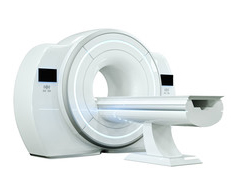
Find out how to prepare for your scan, what diagnostic equipment we use, and get answers to any questions you may have.
Radiosurgery using the Gamma Knife® Perfexion™ device
is an advanced method that enables the effective treatment
of lesions located within the head without the use of a scalpel
Radiosurgery using the Gamma Knife® Perfexion™ system is an advanced method that enables the effective treatment of lesions located within the head without the use of a scalpel. The radiation beams are precisely focused on the area to be treated, and the risk of damage to healthy tissue is minimal.
Gamma Knife® radiosurgery is currently the treatment of choice for many medical conditions. There are over 350 Gamma Knife® units in operation worldwide. Procedures using the Gamma Knife® have become the standard of care. The high efficacy and precision of the procedures mean that the results are comparable to those achieved with conventional surgical techniques. Following such a procedure, patients can return to their normal daily activities almost immediately.
Tumours that have metastasised to the brain
Tyre piles
Cranial nerve schwannomas (mainly of the vestibulocochlear nerve)
Pituitary tumours
Hemorrhage
Some tumours of glial origin
The Decent Ones
Cranial neuralgia (mainly of the trigeminal nerve)
Cavernous haemangiomas
For the procedure to take place The patient must not:

to have a cold

to have cold sores

have any inflamed or infected areas on the skin

Women must not be pregnant

Women should not have freshly dyed hair or have recently had henna or other beauty treatments.
On the afternoon of the day before the procedure, the patient is admitted to the radiotherapy ward. The patient completes the necessary forms and consents to the procedure. Basic tests are carried out. Following admission, an anaesthetist’s consultation takes place.
On the day of the procedure, under local anaesthesia and under the supervision of an anaesthetist, a stereotactic frame is attached to the patient’s head.
Diagnostic scans – magnetic resonance imaging (MRI) and computed tomography (CT) – are carried out using a stereotactic frame. Depending on the specific case being treated, the scans are performed with or without the use of a contrast agent.
Once the diagnostic tests have been completed, a team of doctors and physicists draws up a detailed treatment plan. Each plan is tailored to the individual patient and their diagnosis.
Once the treatment plan has been drawn up and verified, the Gamma Knife® procedure can begin. Throughout the procedure, the patient is able to communicate with the staff supervising the treatment. At any time, at the patient’s request, the irradiation procedure can be paused and resumed shortly afterwards without any adverse effects. The procedure lasts from a dozen or so minutes to several hours, depending on the type of condition, and the size and number of lesions.
Once the treatment is complete, the neurosurgeon removes the stereotactic frame from the patient. After a short period of observation, the patient is discharged home. They can resume their normal daily activities within a few days.
On the day the patient is discharged from hospital, an accompanying person must be present. Discharge is normally scheduled for the afternoon of the day following admission (approximately 4.00–5.00 pm).
Every patient treated at our facility remains in contact with the doctor performing the Gamma Knife procedure. Regular check-ups at our Neurosurgery Outpatient Clinic enable us to assess the progress of treatment.
The results of Gamma Knife® radiosurgery are not immediately apparent. The effects of gamma-ray therapy become apparent over the course of months or even years.
Neurosurgeon
ENT specialist
Neurologist
Oncologist
Radiotherapy specialist

